Clarifying material character
Wood grain, tone and handcrafted surfaces can vary. Agreeing acceptable variation through samples helps distinguish material character from details needing correction.

INDOR / Consistent quality
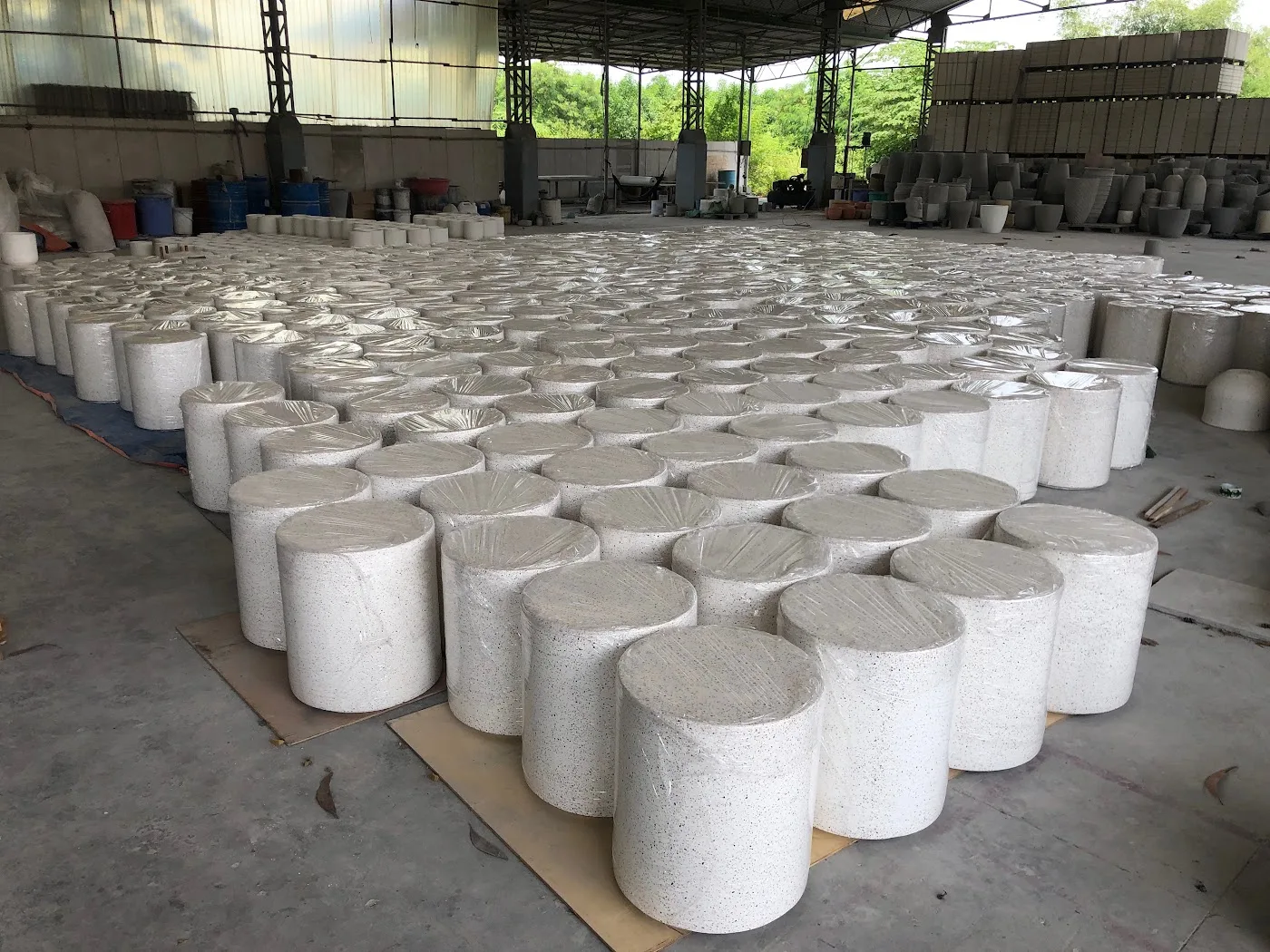
At INDOR, approved samples, drawings and order requirements guide production. From dimensions, weight and appearance to construction, coatings and packaging, checks are selected for each product range to identify and address points requiring adjustment before handover.
 INDOR / 02
THE INDOR PERSPECTIVE
The approved sample is the reference. Practical checks help maintain consistent quality.
FROM INSPECTION PRACTICEDimensional checks, load trials, coating and packaging checks — illustrated with workshop inspection records and supplier test-method footage.
View quality control in detail02 / 01
Consistent quality begins with a shared understanding of the expected product. Approved samples establish form, color and surface feel, while drawings and specifications define dimensions, construction and function. These references guide both production and inspection.
Wood grain, tone and handcrafted surfaces can vary. Agreeing acceptable variation through samples helps distinguish material character from details needing correction.
Compare form and workmanship before finishing, then review surfaces before packing. Early checks provide a clear basis for adjustments and the next stage.
02 / 02
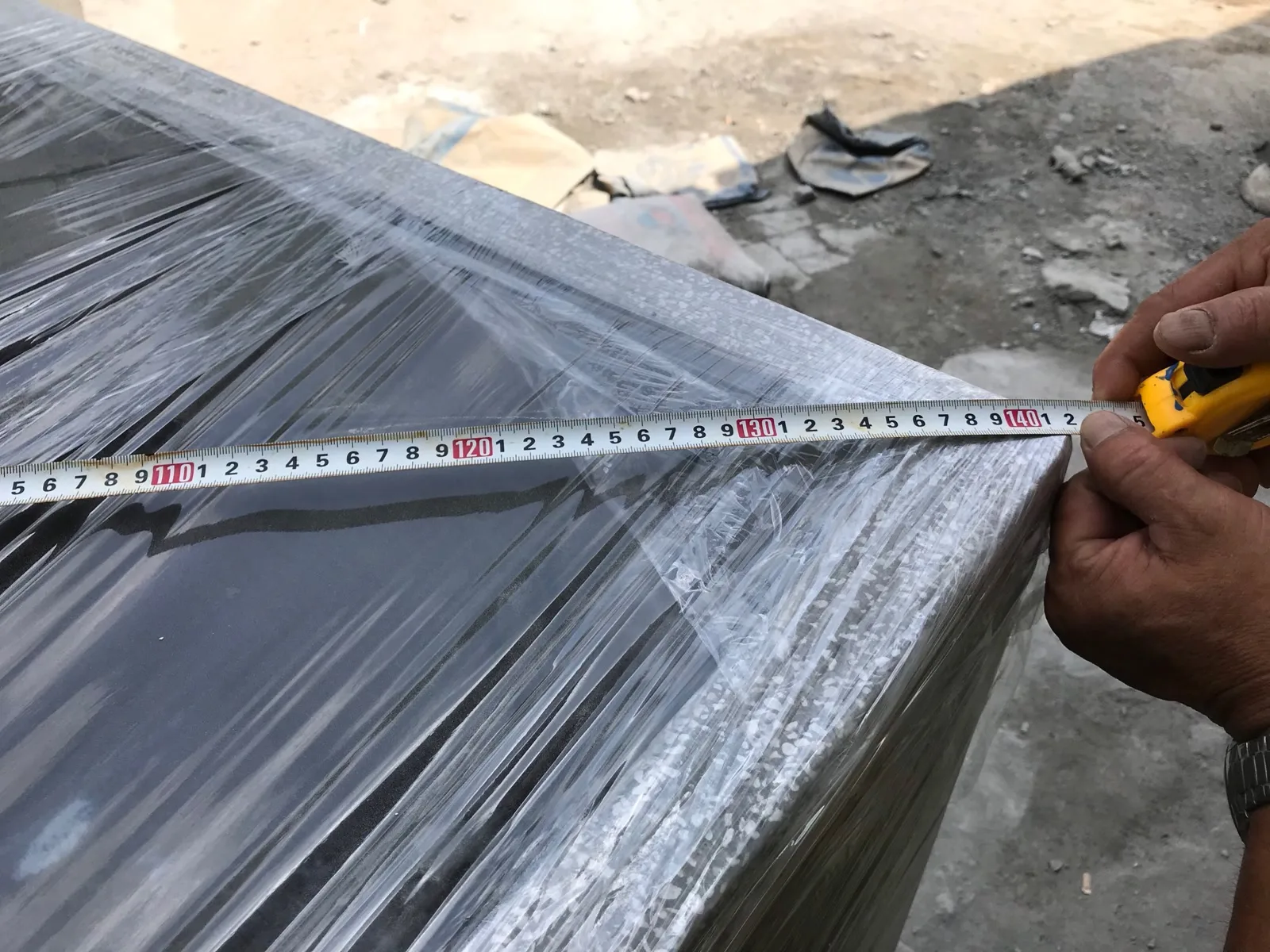
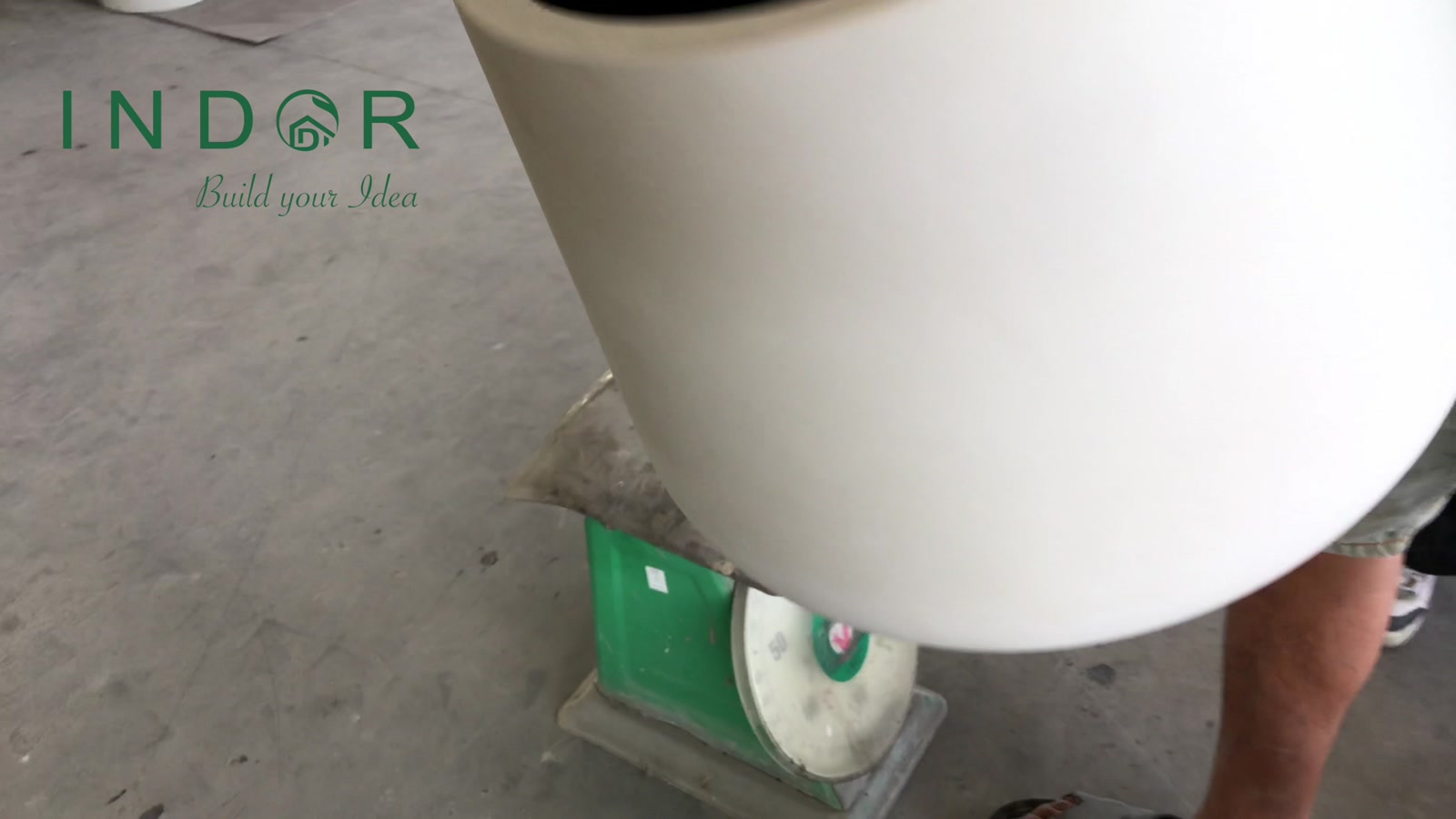
Overall appearance is reviewed alongside measurable details. For planters, checks consider height, the opening, interior and base; weighing adds another reference for the specification. Products are turned to inspect different sides, colors and finishing details against the confirmed sample.
Dimensions and weight are compared with the requirements for the relevant sample. Measurement points and acceptance limits should be defined for each order.
Rims, edges, bases, contact points and joints are considered alongside overall form, color consistency and surface condition.
02 / 03
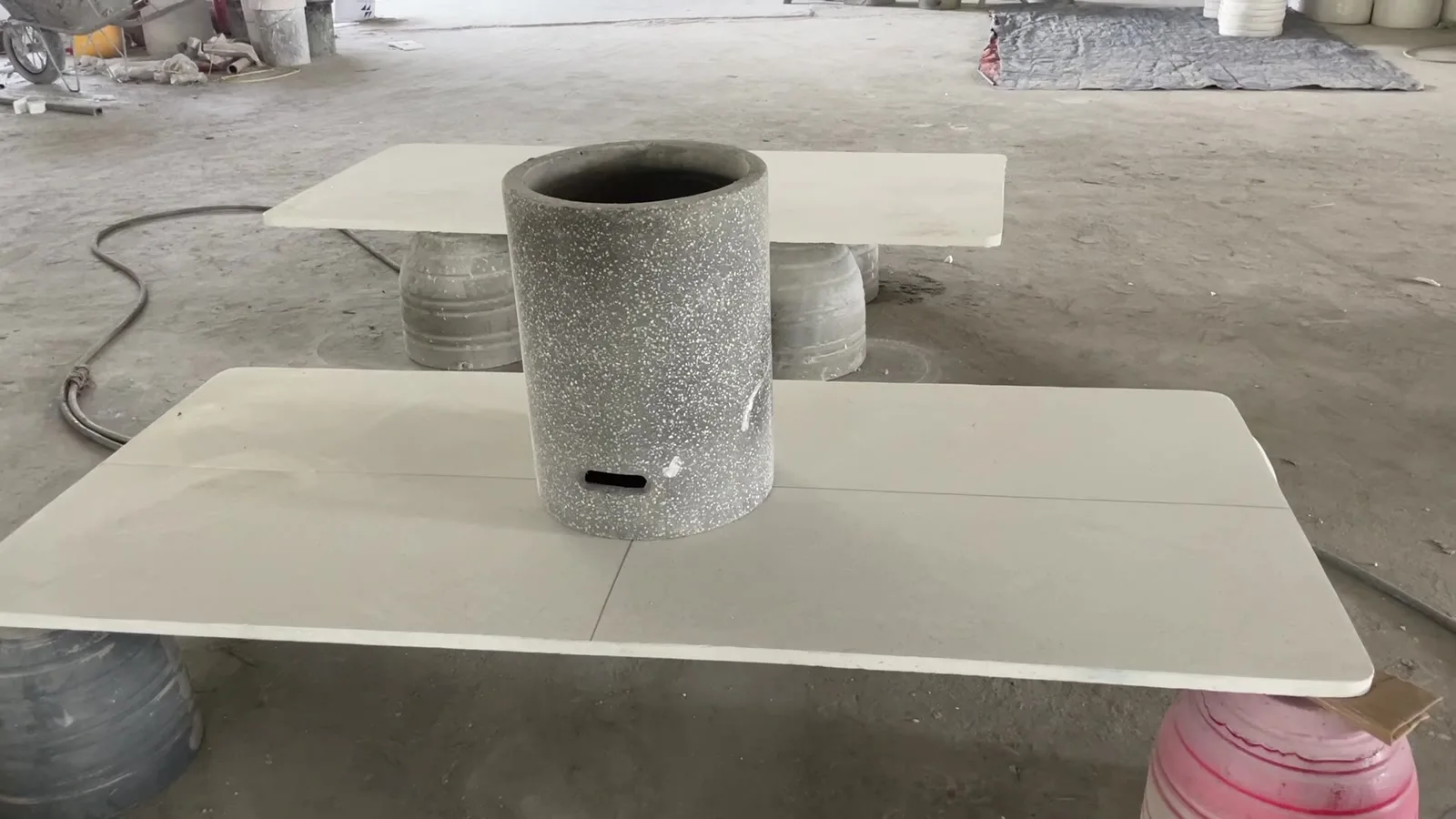
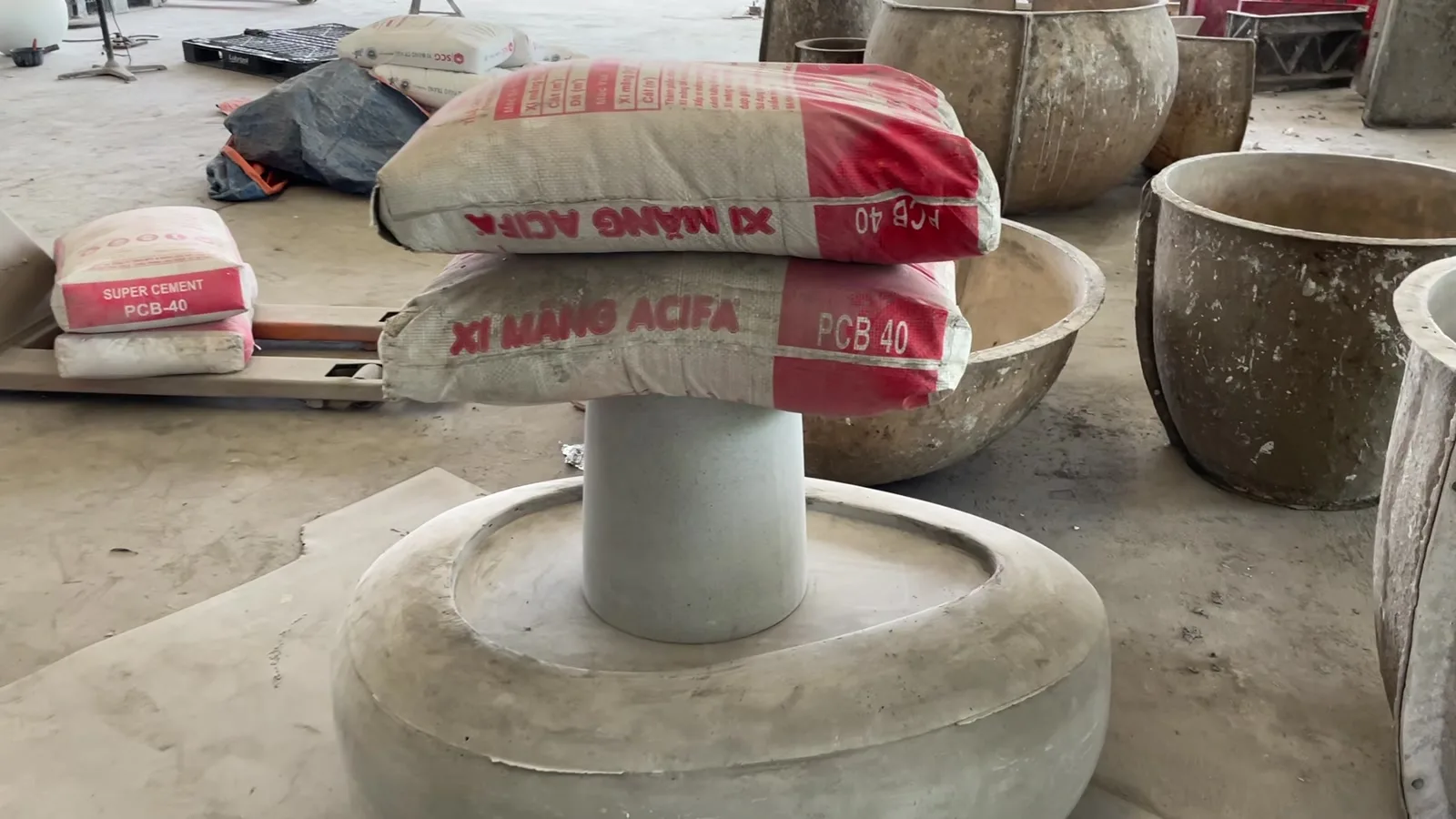
For tabletops and stools, the finished form is considered alongside how the construction performs. Inspection footage shows loads placed on a supported tabletop and on a stool. Each arrangement allows the product to be observed under a particular trial condition.
Support positions, load placement, load level and trial duration need to be defined for the design and intended use of each product.
Any stated working load should be supported by recorded results for the relevant sample. The illustrations show trial methods rather than confirmed load ratings.
02 / 04
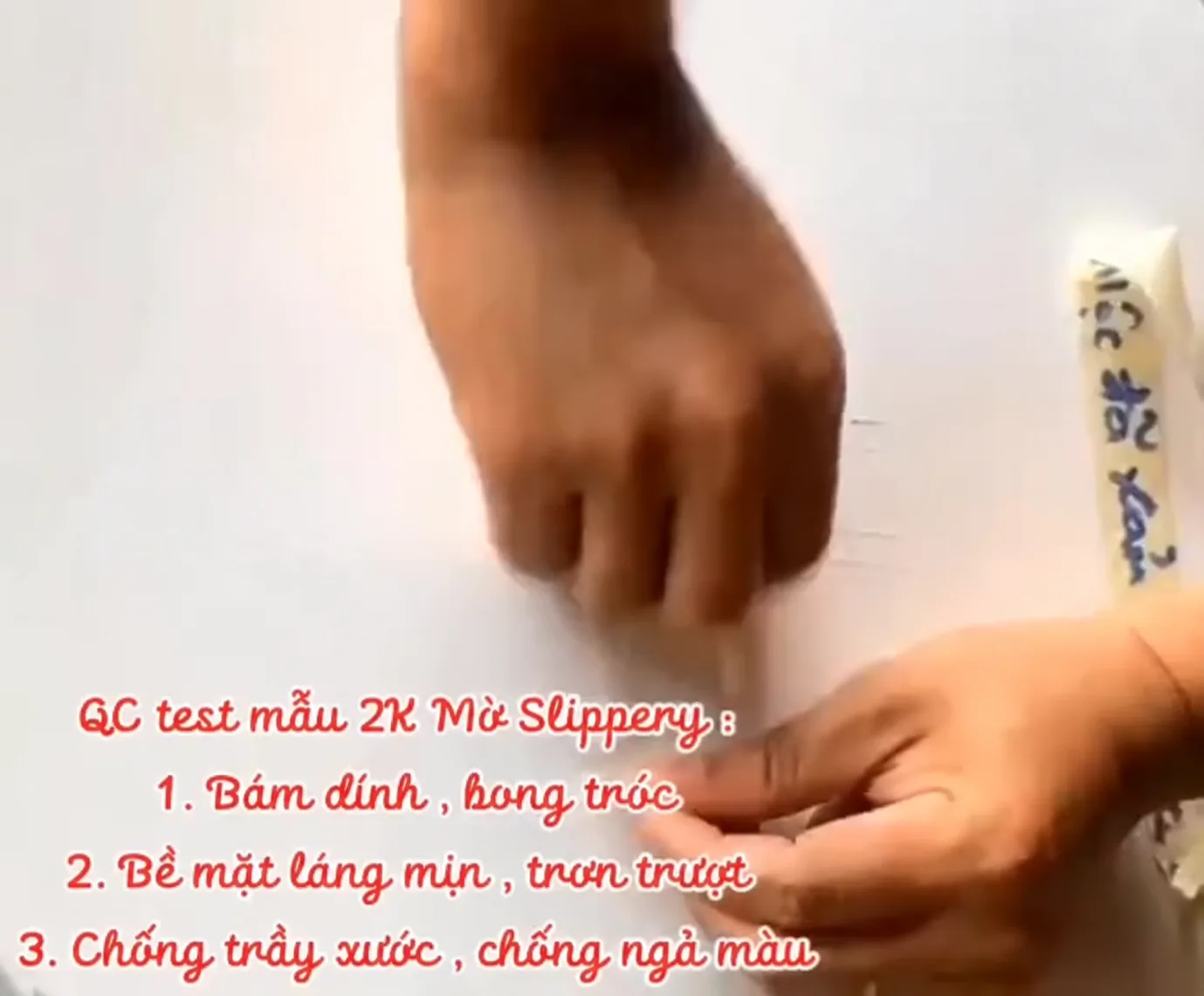
The finish contributes to a product's color, surface feel and appearance. Alongside visual review, adhesion checks examine the bond between the coating and its substrate. Supplier test-method footage illustrates scoring a grid, applying tape and examining the area after removal.
Color, consistency and coating condition are reviewed against the approved sample and product requirements.
The method and results need to relate to the coating system, substrate and actual sample. Illustrative method footage does not replace inspection results for an individual order.
02 / 05
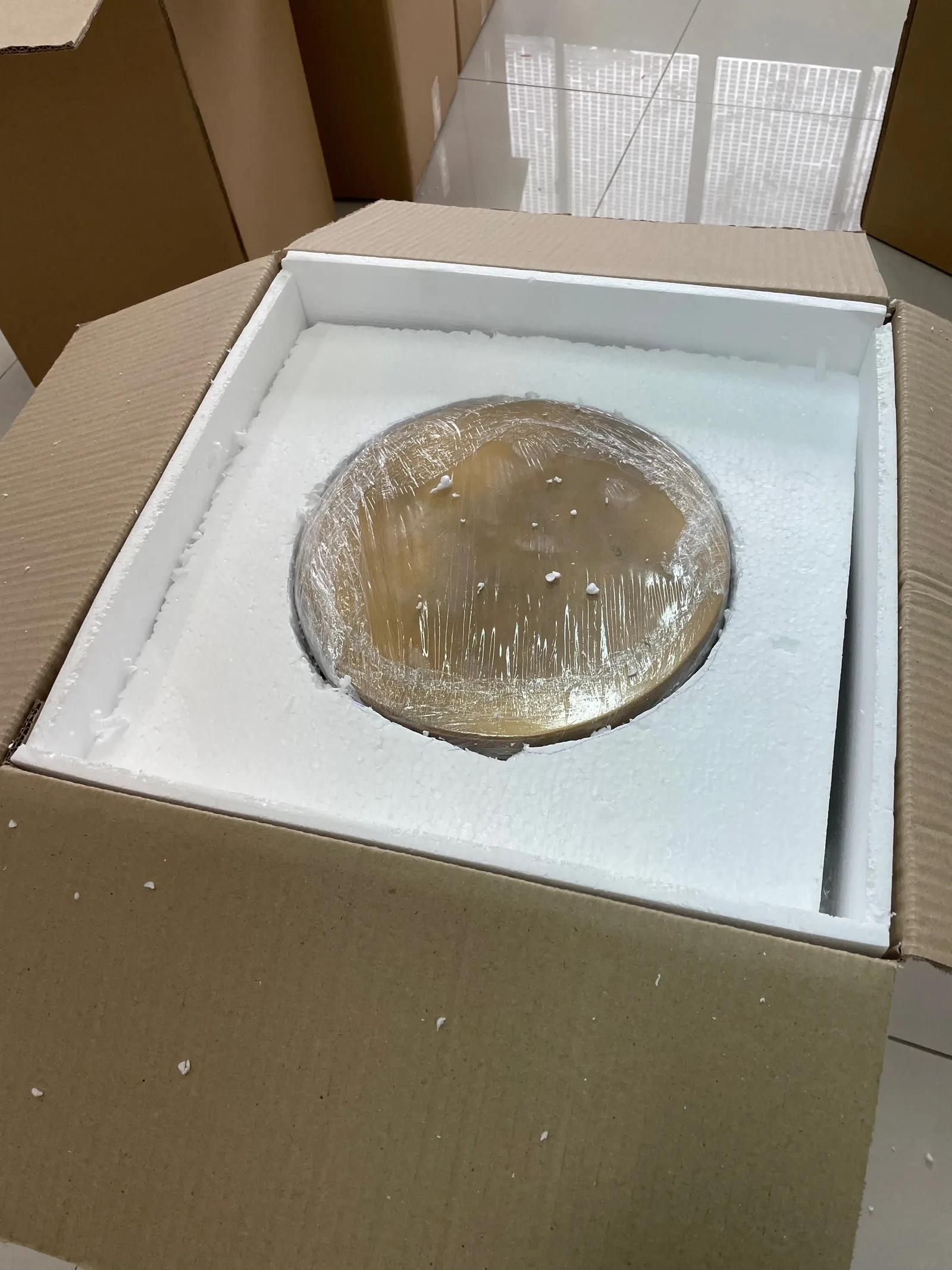
Handover quality also depends on wrapping, cushioning and outer packaging. In package drop-trial footage, preparation and trials in different orientations are followed by opening the carton, removing protection and examining the product inside. This helps assess packaging alongside the product's characteristics.
Form, weight and finish guide cushioning positions, securing methods and carton or crate construction.
After the trial, examine the inserts and the product's rim, base and surfaces to identify where protection may need adjustment.
02 / 06
During workshop inspections, clients and the INDOR team examine products, check planter interiors and bases and discuss points requiring confirmation. Approved samples and order criteria are compared with actual products so that follow-up can be agreed before packing and handover.
Inspection scope and how results are recorded are agreed for each order. Measurements, photographs and points requiring adjustment provide a basis for follow-up.
Follow-up points are collected for resolution before handover; labels, quantities and product protection continue to be checked at the packing stage.
FROM IDEAS TO PARTNERSHIP
Share your design, material requirements or plans so we can discuss a suitable direction.