
01 / 01
Defining what the product should express
A reference photograph, sketch or drawing can be the starting point. The brief clarifies function, dimensions, proportions and distinctive details: a planter rim, a table base, a decorative pattern or a brand mark.
Design also needs to reflect the material and setting. Indoor pieces, outdoor products and large forms raise different questions about construction, shaping and finishing. Discussing these early brings the choices into one coherent plan.
01 / 02
From a 3D model to physical detail
A 3D model helps visualize form, proportions and detail placement before sampling. Depending on the design, INDOR combines 3D printing, pattern machining and hand work to turn an idea into a sample that can be reviewed, compared and refined.
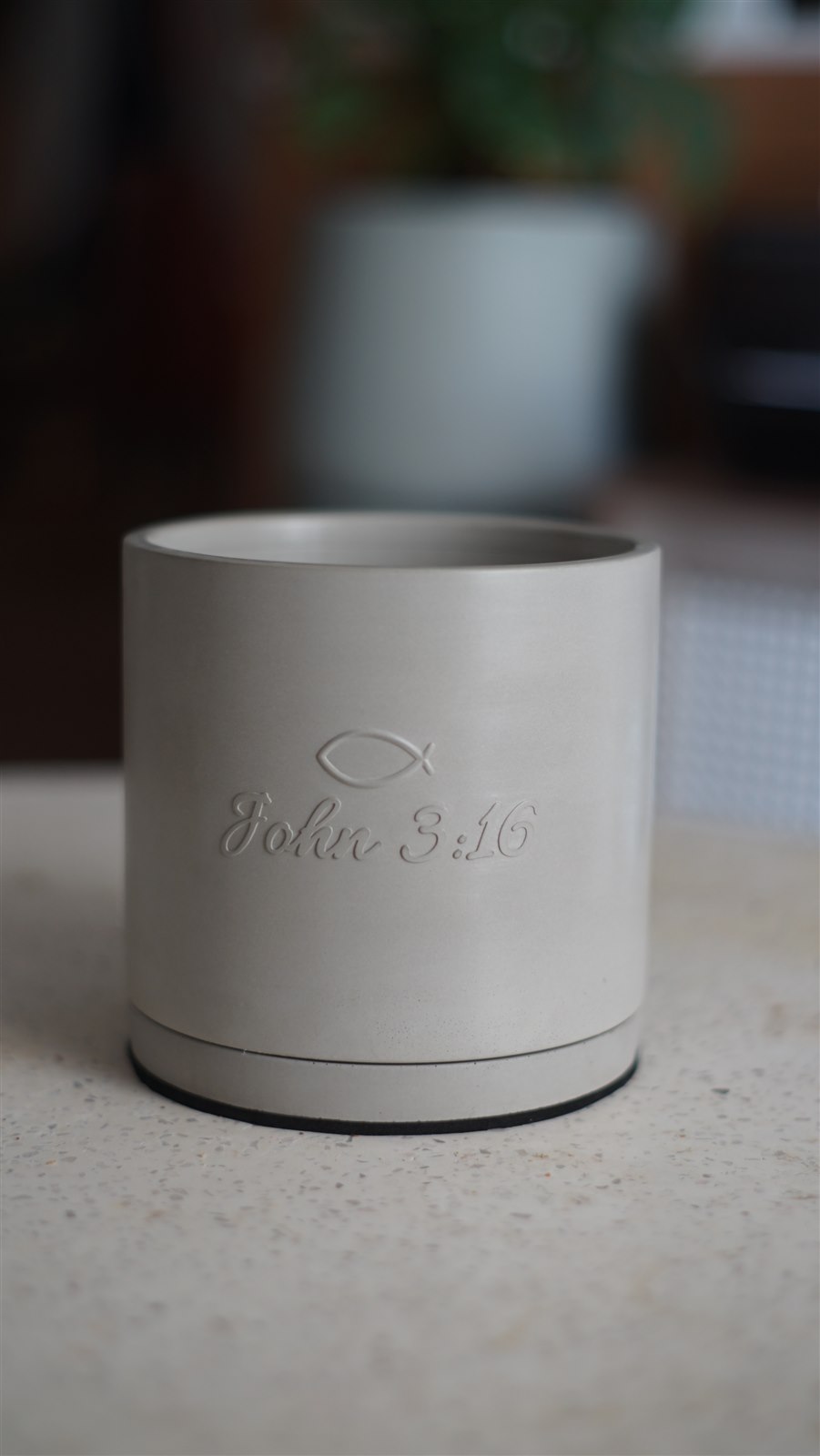
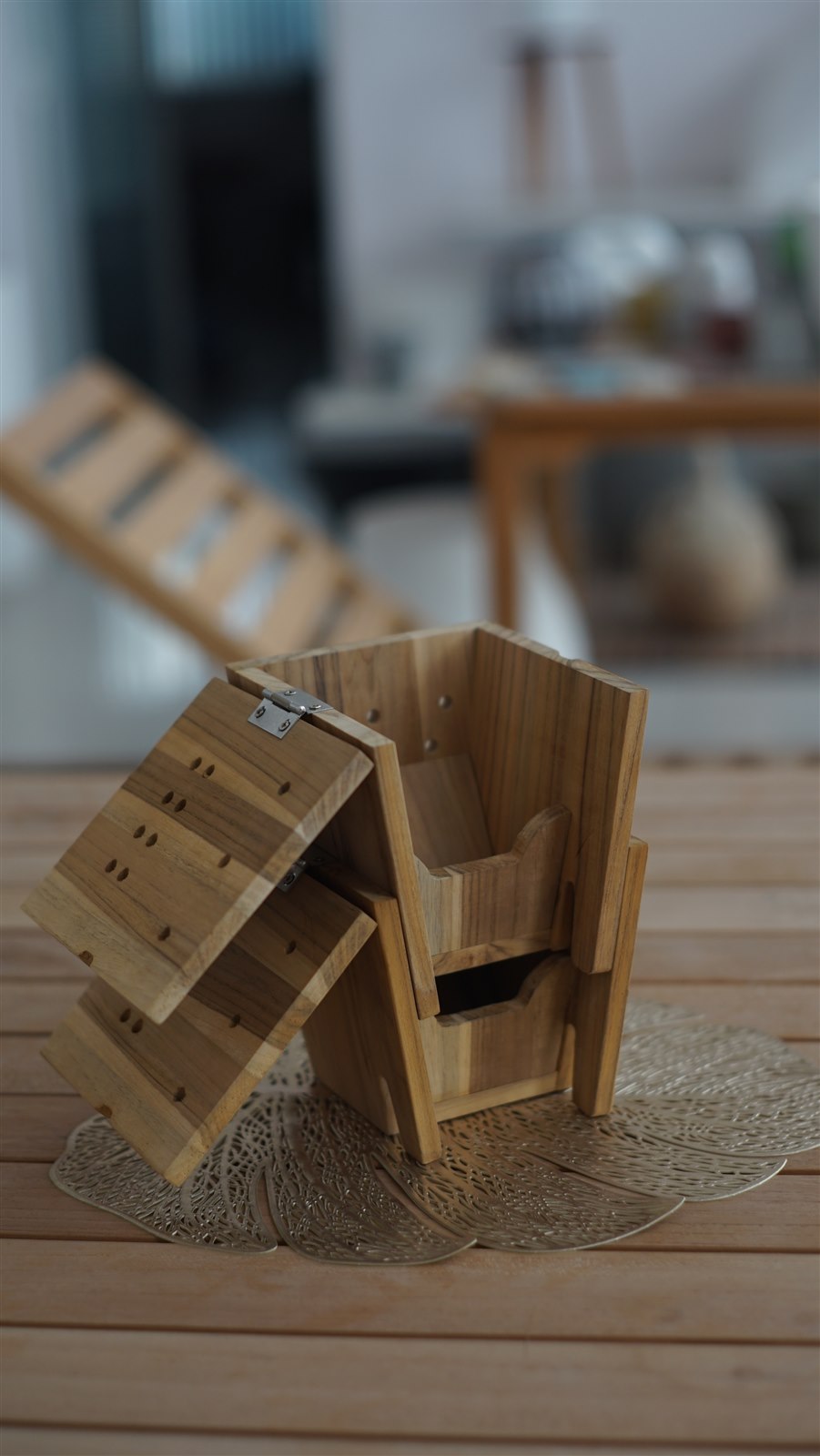
For cement products, a reference sample clarifies the rim profile, surface and requested identifying details. For wood products, review also covers construction, hinge positions, connections and opening and closing. These details are considered alongside function and the experience of use.
The product photographs below illustrate details to consider during design development. Samples are discussed and confirmed before finalizing the mold approach or starting order-specific machining.
01 / 03
Choosing a mold approach for the design
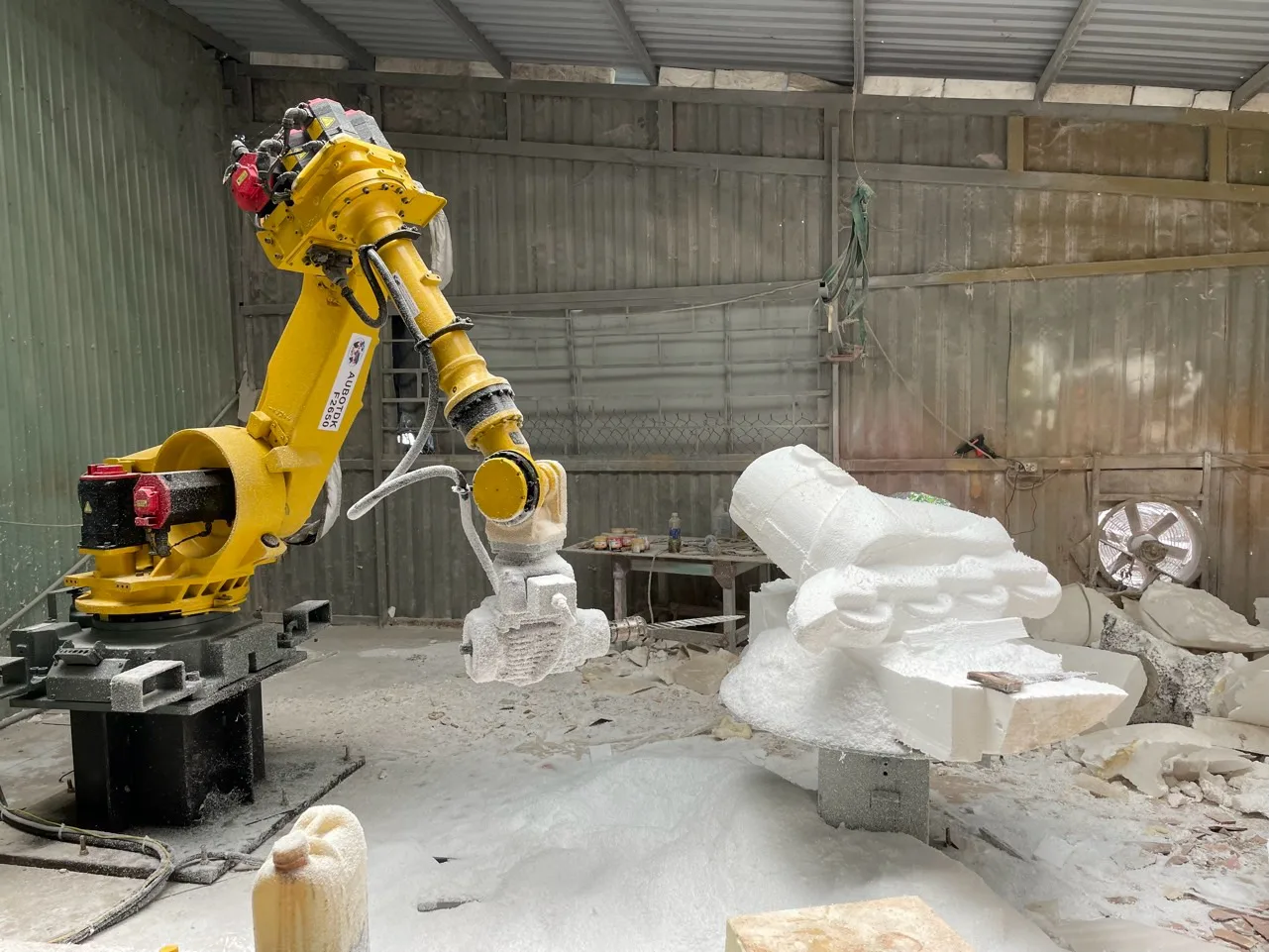
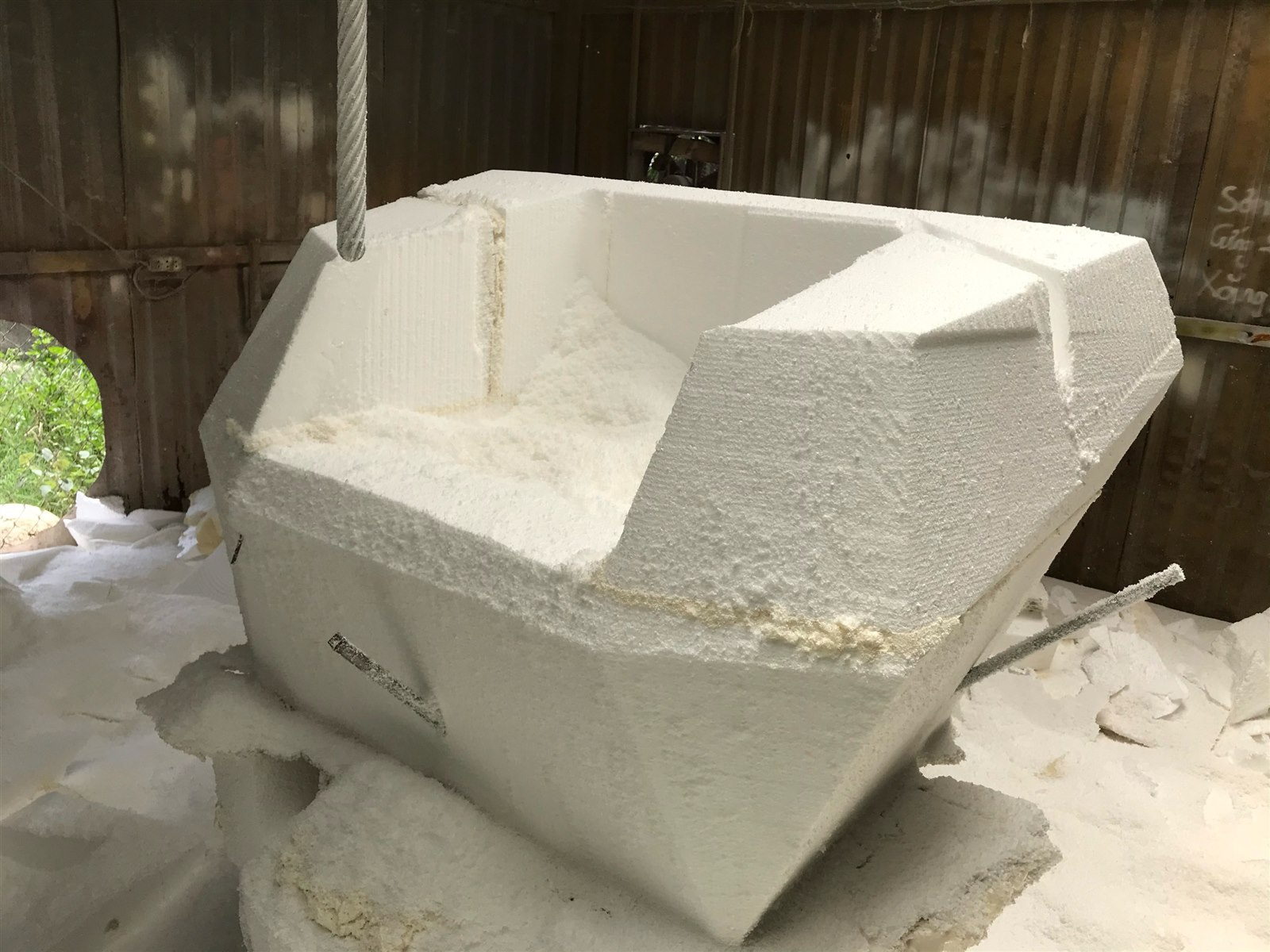
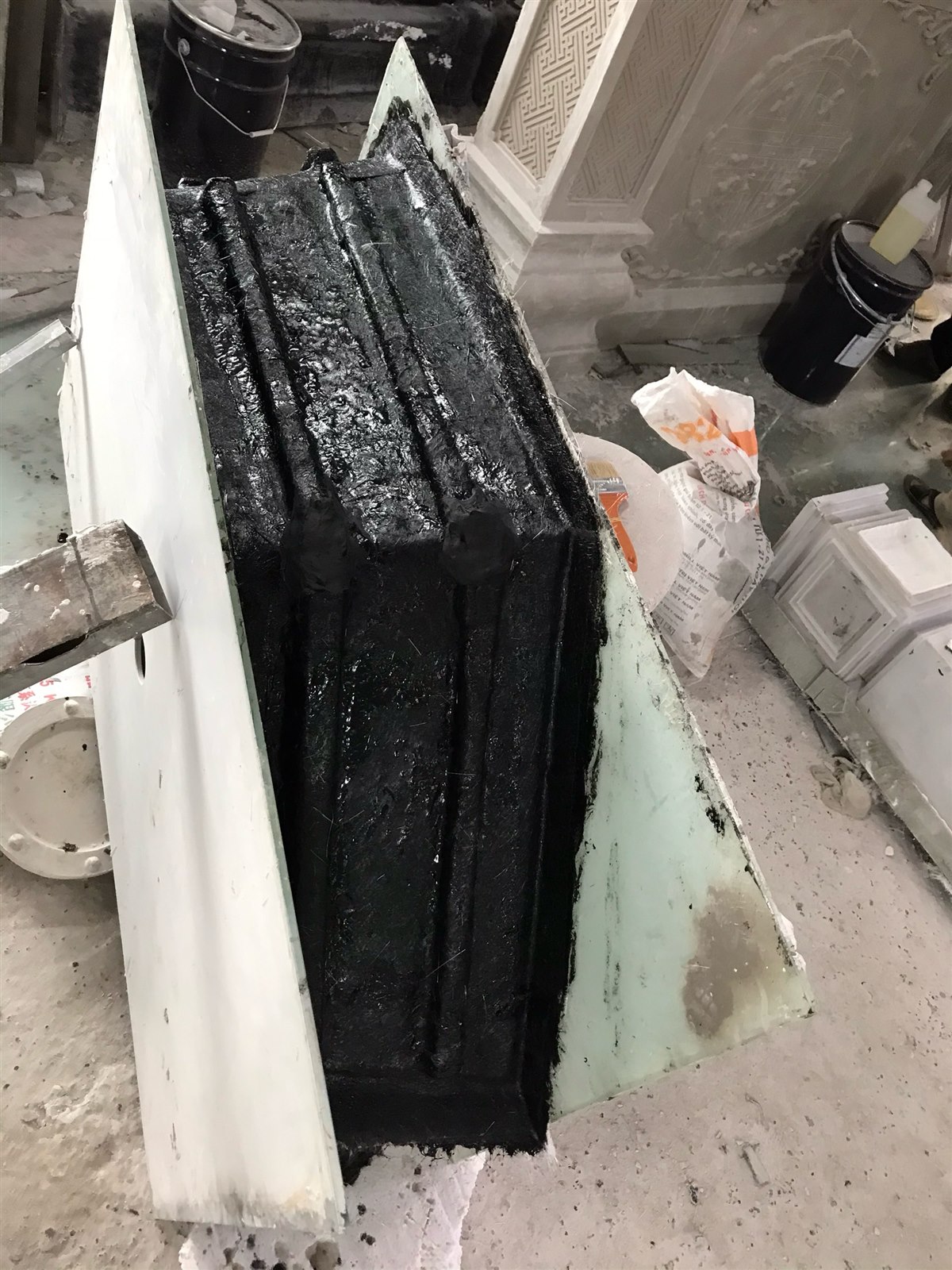
The mold approach is selected for the product's size, shape, surface details and demolding needs. For large or complex forms, robot-machined foam patterns translate the design model into a physical form for subsequent mold preparation.
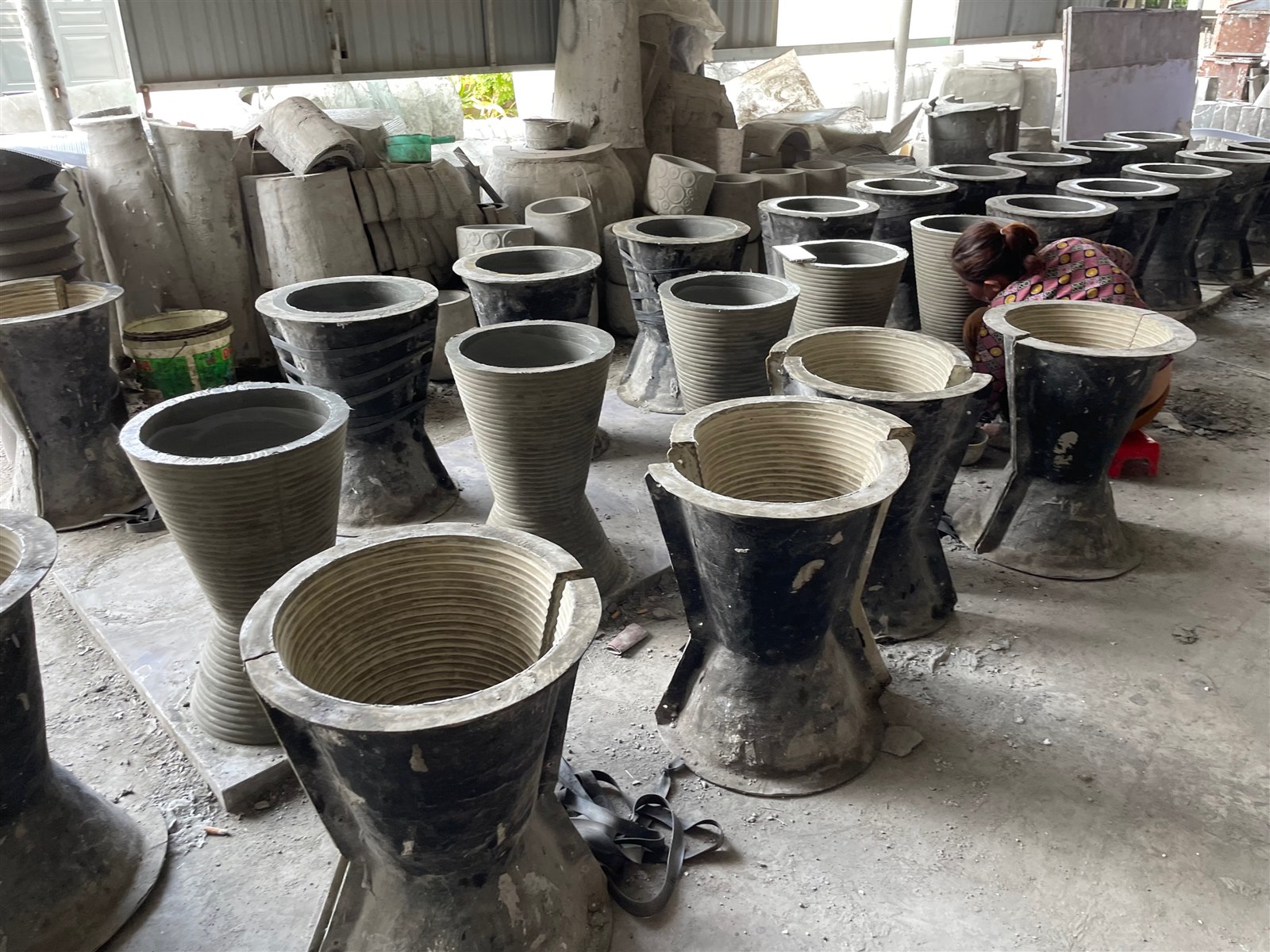
Composite molds are used where they suit the product form and mold construction requirements. Patterns, ribs and transitions are considered during pattern preparation. Mold splits and the assembly of mold sections are also planned to support shaping and demolding.
For designs with fine details, silicone molds are another option considered for the specific design. Each mold approach is reviewed against the approved sample, casting material and finishing requirements to select a suitable method for the product range.
Before production, INDOR and the client agree on drawings, reference samples, materials, finishes and packaging requirements. These references guide the subsequent stages toward the confirmed product.
Based on production-process documentation and photography supplied by INDOR.